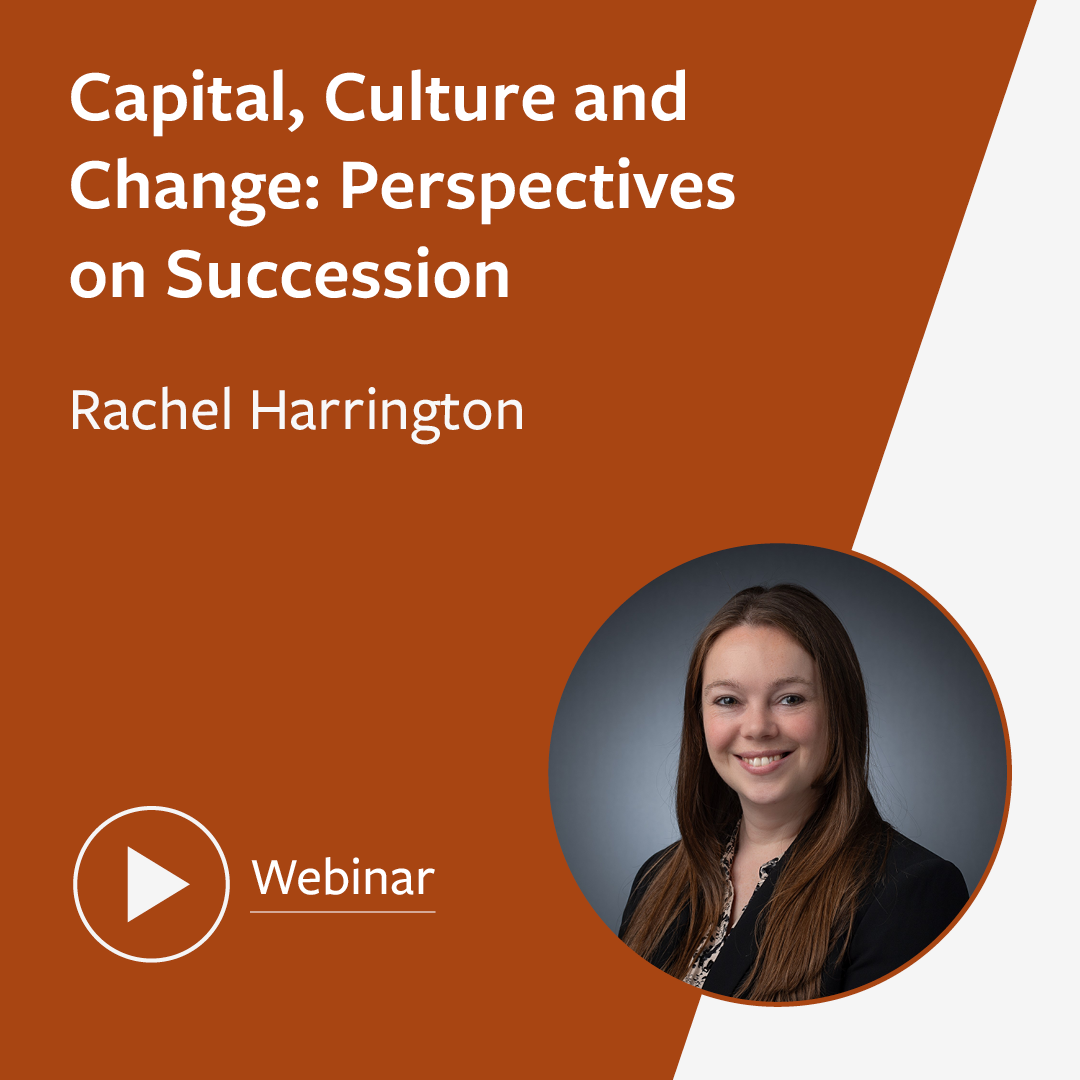
Packed with insights from our speaker, Rachel Harrington (Executive Director, Coutts Family Office and Coutts Institute) as she and our co-founder Andrea Coleman, explored key areas of succession, leadership, funding, boards and more. Bringing a wealth of knowledge from the private sector, and understanding the differences and similarities between family-businesses and social enterprises, Rachel discussed defining organisational values and culture, while providing practical tips.
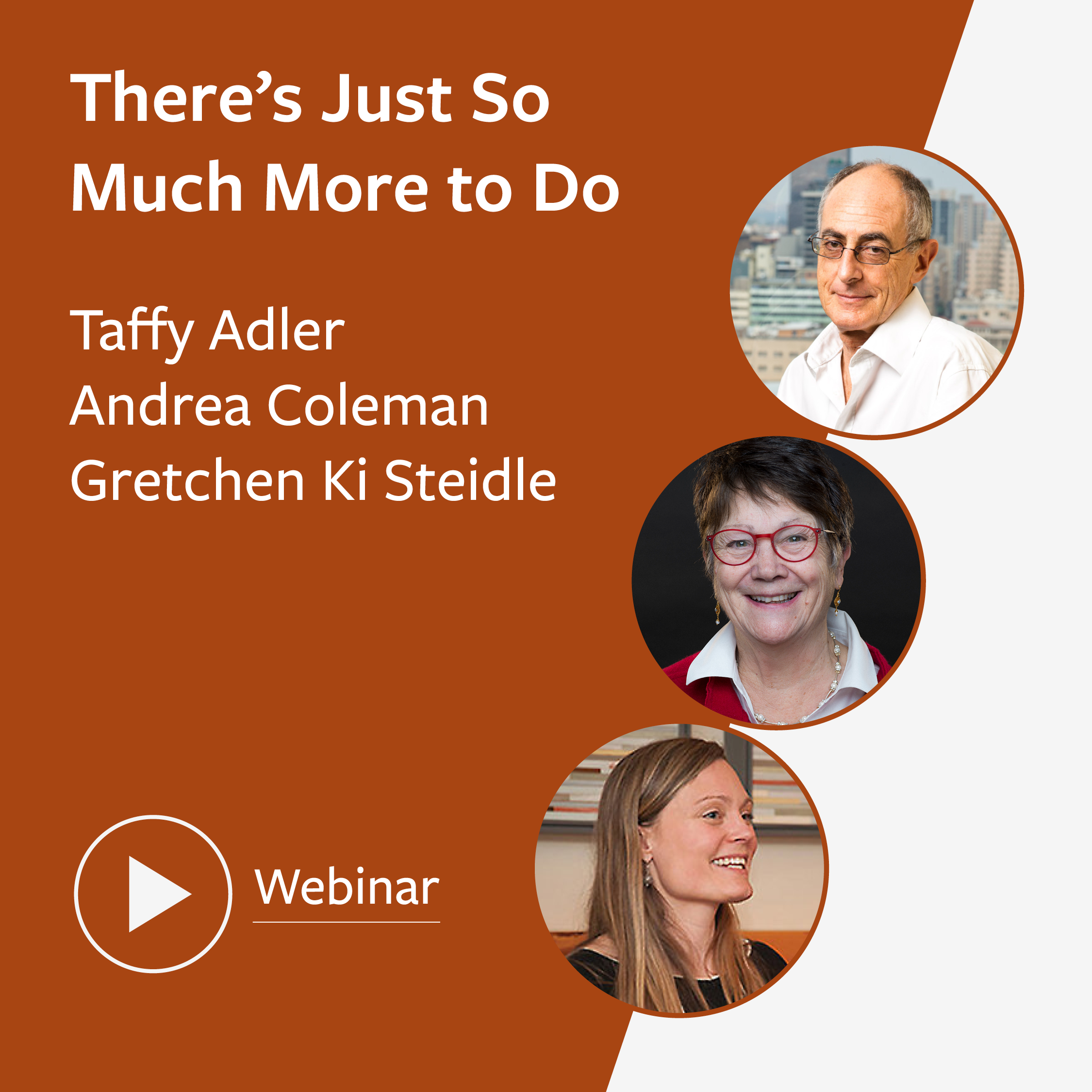
We all know the feeling of ‘there's just so much more to do’ but celebrating your journey and the future that awaits is important. Our guest speakers Taffy Adler (former CEO of the Housing Development Agency), Gretchen Ki Steidle (Founder of Global Grassroots) and Andrea Coleman (Co-founder of the Elders Council for Social Entrepreneurs) discuss transition and building a culture of celebrating success while learning from what didn’t work. All bringing to mind the Elton John song ‘I’m Still Standing!’
This article, written by Dr Susanna Kislenko, explores the phenomenon of Founder’s Syndrome and what it can mean for an organisation.
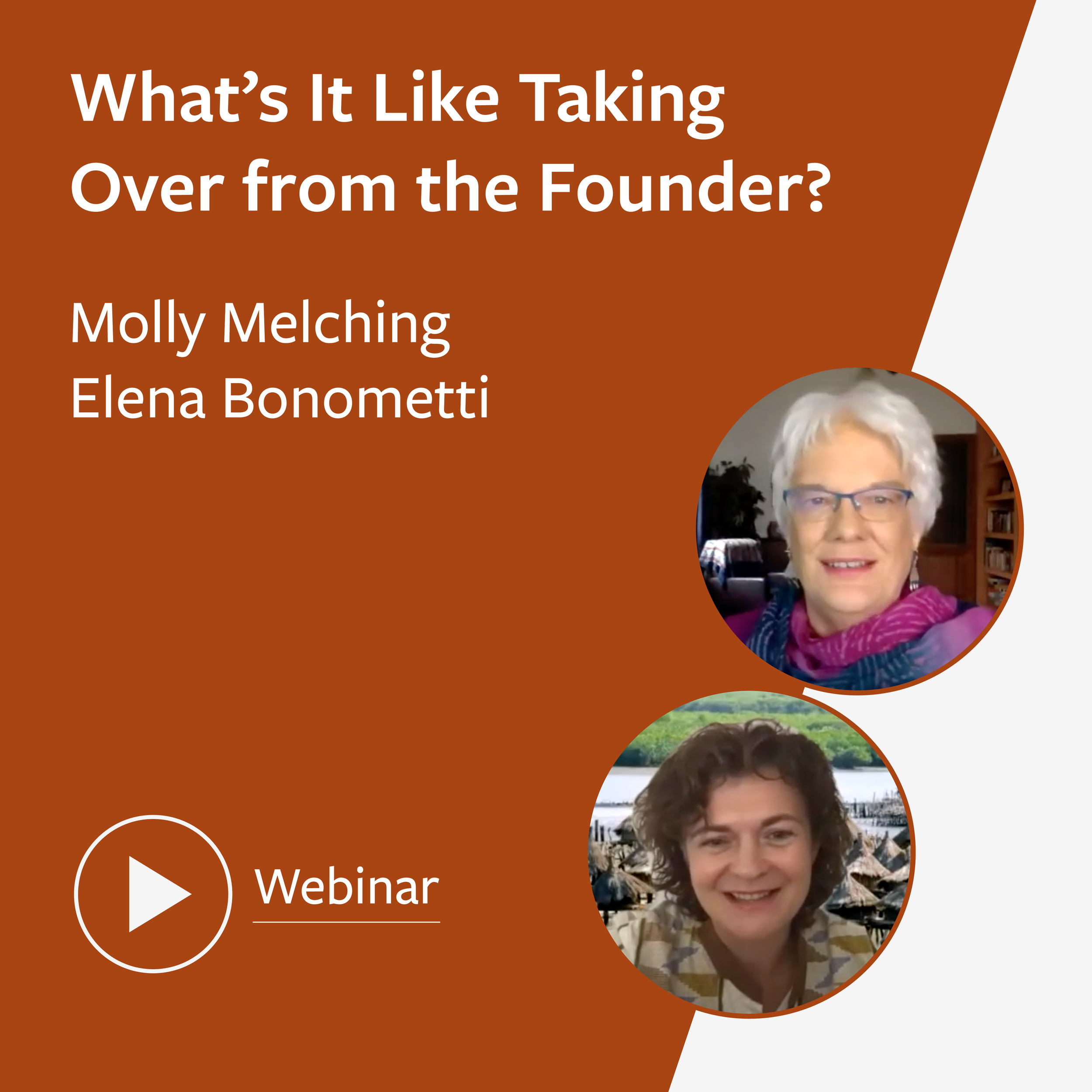
Molly Melching (founder of Tostan) and her successor, Elena Bonometti discuss the succession process and how they both have a role to play in Tostan. We discuss this exciting journey and how they arranged matters to deliver Tostan’s incredible programmes.
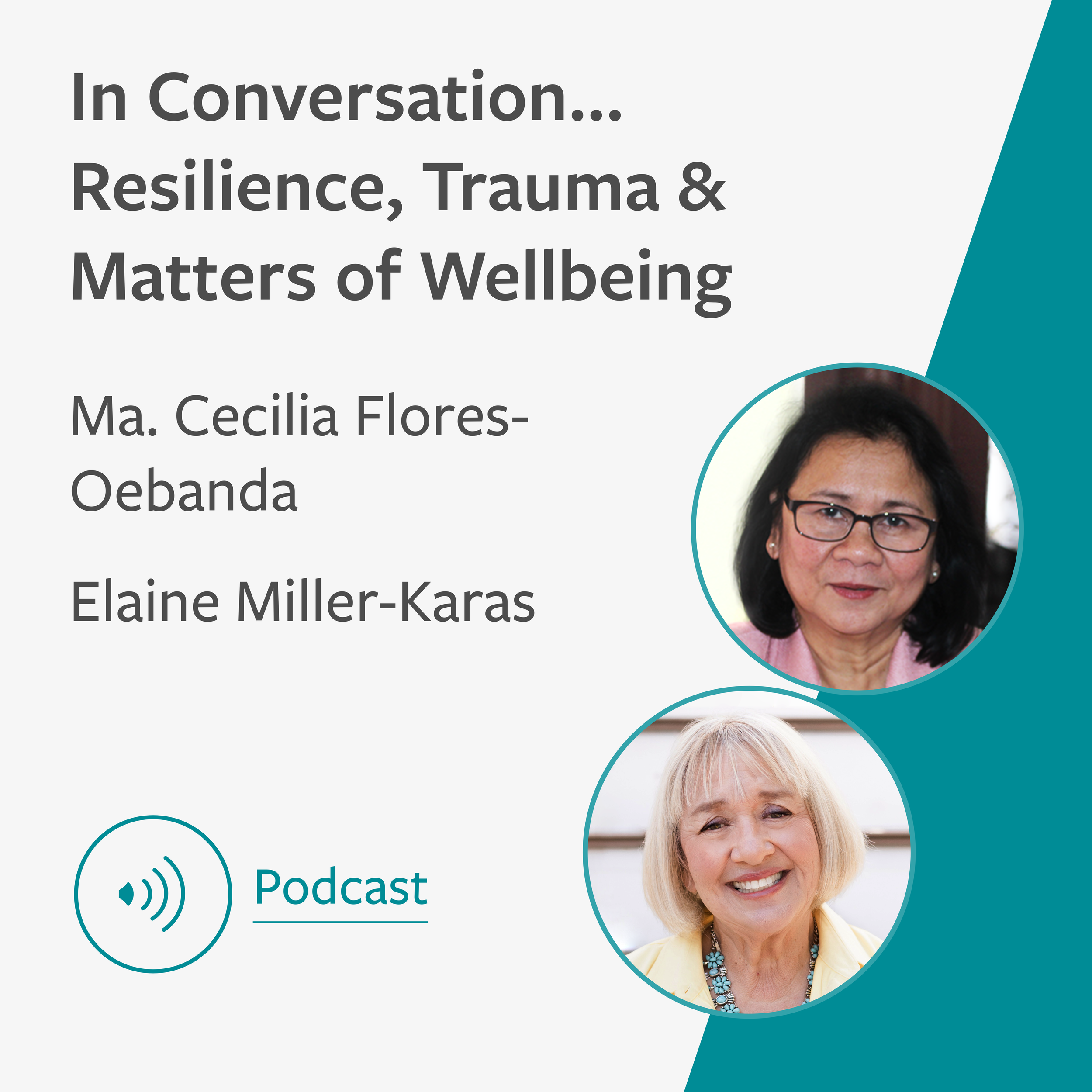
In this webinar Ma. Ceilia Flores-Oebanda discusses the trauma of fighting for freedom in the Philippines, working through her experiences and emotions with the Wellbeing Project, her work to tackle human trafficking and how she has approached her transition into retirement.
She also provides fantastic insights into choosing a board and the importance of respect and setting boundaries in succession.
Areeba Hamid, Joint Executive Director at Greenpeace UK, joined us to talk about how she and Will McCallum decided to apply for the leadership role together, and how it works in terms of practicalities and relationship management.
Rachel Harrington and Andrea Coleman, discuss key insights on succession, leadership, funding, boards and the private sector, as well as exploring the differences and similarities between family-businesses and social enterprises.
The Founder of a social enterprise does many things – the visionary, the fundraiser and they bring the magic. What can we pass on from our experiences and what do you need the successor to bring? Most importantly, how do you collectively maintain the culture and mission? Inspired by the song “I Can See Clearly Now” (sung by Jimmy Cliff) we reflect on all these aspects of succession planning with Kathryn Hall-Trujillo, Ruth Ibegbuna and Rupert Roniger.
In this webinar, Elaine Miller-Karas and Ma. Cecilia Flores-Oebanda share ideas of how to navigate transition out of an organisation when difficult feelings or memories are stirred. They discuss practical tools to provide relief from stressful and traumatic symptoms and Ma. Cecilia shares her own experiences in this touching and important conversation.
Carole King’s song “You’ve got a friend” beautifully epitomises the care and support that we as social entrepreneurs need while we look at the best way to celebrate our eldership in our succession and our leadership. Dr. François Bonnici, Adriana Craciun and Tim Hanstad discuss this fascinating topic.
Dr. Susanna Kislenko (Director, The Founder Leadership Research Lab at the University of Oxford and Adjunct Research Professor at Carleton University) shares her groundbreaking research on Founder’s Syndrome to help us understand it and avoid it.
For a social entrepreneur, transition out of an organisation is an opportunity to reflect but it can also stir feelings that could be stressful or recall difficult memories. Elaine Miller-Karas and Ma. Cecilia Flores-Oebanda talk about navigating this and discuss practical tools to provide relief from symptoms of trauma.
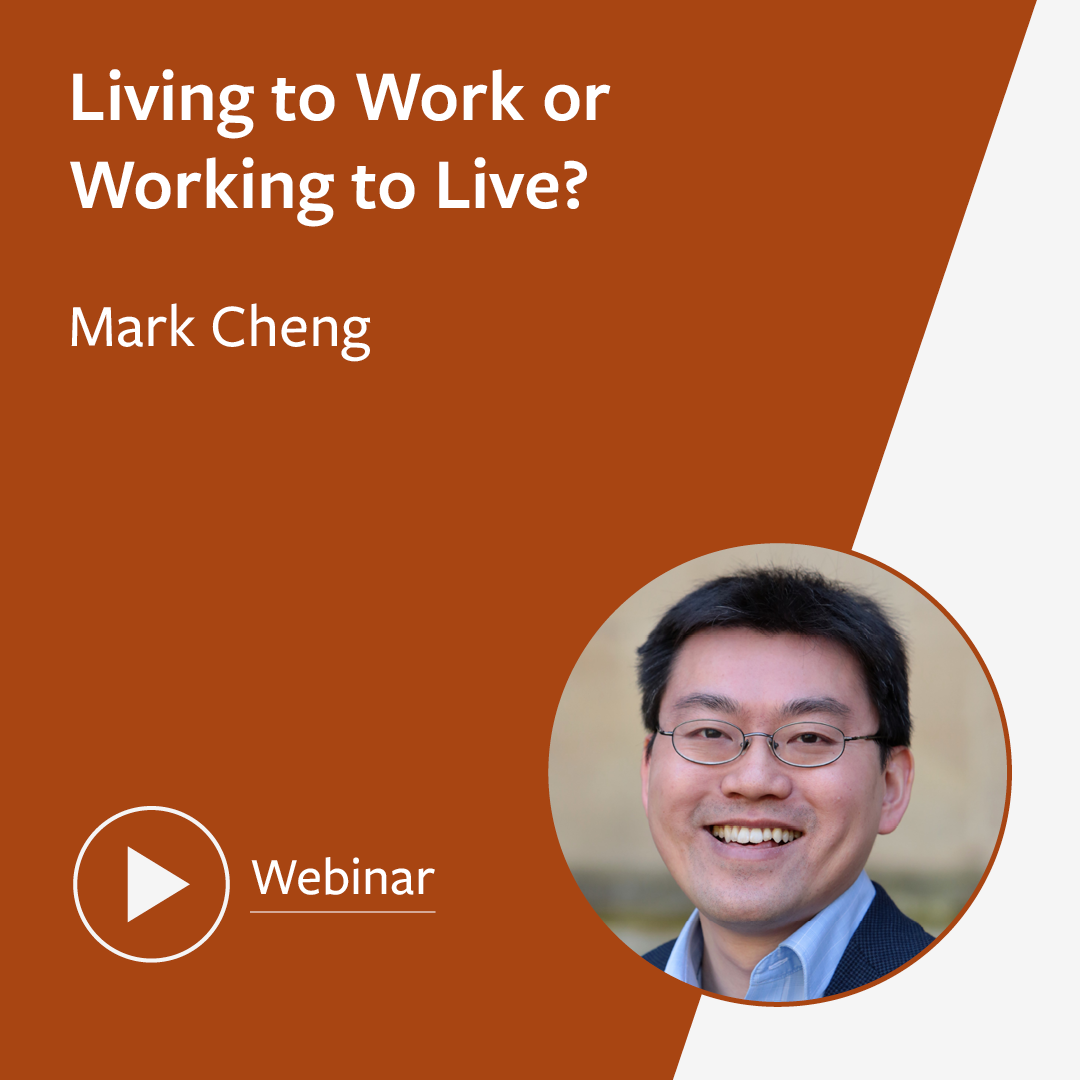
Mark Cheng tables some ideas on how we can change the culture within the social sector - to address the unhealthy martyr complex, the lack of financial recognition for founders and how we can support social entrepreneurs to prepare for their eldership.
Facing bankruptcy or similar is a scary prospect but Attila von Unruh and Tracey Chambers provide important practical advice about what to do in preparation, and even when the crisis is imminent. This article explores some of the insights they shared.
Gary Cohen and Neelam Chhiber discuss this important question. Just some of the points covered - how social entrepreneurs come to be labelled as 'heroes'; how this affects their wellbeing; that it’s organisations, networks and movements (not lone 'heroes') that create systems change and the importance of recognising and empowering others.
This article explores the insights Gary Cohen and Neelam Chhiber shared on the pressing issue of hero culture in the social impact sector.
Areeba Hamid, Joint Executive Director at Greenpeace UK, joined us to talk about how she and Will McCallum decided to apply for the leadership role together, and how it works in terms of practicalities and relationship management.
As social entrepreneurs undertake their journey of creation and operation there is a natural tendency for them to become closely identified with their organisation. This can be healthy and unhealthy in equal measure. Jim Fruchterman (Founder of Tech Matters) and Sheela Patel (Founder and Director of the Society for the Promotion of Area Resource Centres (SPARC)) have a fascinating debate on the future sustainability of an organisation as the founder moves on.
When we think about diversity, the conversation typically revolves around race, gender, and sometimes socio-economic background. However, there's an often-overlooked dimension of diversity— age and experience. This article discusses eldership as a crucial aspect of diversity, exploring the challenges and opportunities associated with ageing and the value of intergenerational collaboration. It's time to reevaluate how we view eldership. This article is based on a conversation between the Elders Council for Social Entrepreneurs and Kathryn Hall-Trujillo and Hae-Young Lee.
We’ve all felt it: that overwhelming sense of having too much to do, the endless list of tasks and goals still unachieved. This can feel particularly pronounced in the social innovation sector, where there is a constant drive to create meaningful change for the benefit of others but amid this pressure, it's essential to take a moment to recognise the journey, celebrate the successes, and learn from the failures.
In a deeply personal and transformative dialogue, Elaine Miller-Karas and Ma. Cecilia Flores-Oebanda embarked on an extraordinary exploration of healing and transition. This article explores some of the learnings.
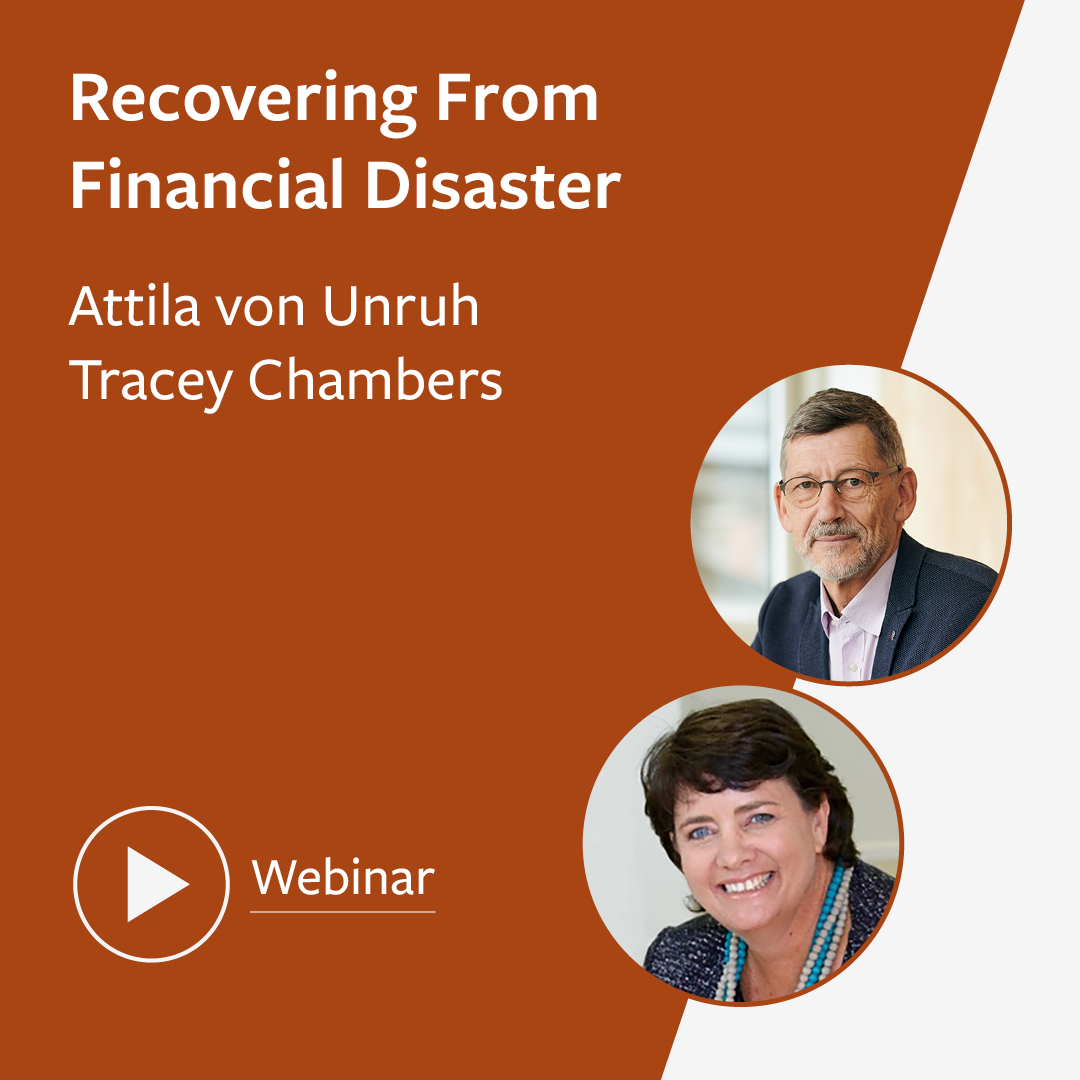
Tracey Chambers and Attila von Unruh guide us through practical advice on how to build organisational resilience in case of financial crisis as well as stories of hope in this engaging webinar.
Neelam Chhiber and Jacob Mathew discuss their succession journeys as individuals and as a couple, providing valuable practical insights.
Explore